Fort Wayne Animal Care and Control wants to remind pet owners and community cat caretakers to be mindful of your animals while outdoors with the current frigid temperatures.
Fort Wayne Animal Care and Control news release:
Cold Weather Protocols & Community Cat Tips
Fort Wayne, Indiana (January 23, 2026) – Fort Wayne Animal Care and Control wants to remind pet owners and community cat caretakers to be mindful of your animals while outdoors with the current frigid temperatures.
City ordinance requires animals to be brought into a temperature-controlled structure when temperatures dip below 10 degrees and when a local, state, or national authority has issued a wind chill warning.
Per ordinance, animals cannot remain outside longer than 15 minutes without access to adequate shelter and potable (unfrozen) water no matter the temperature. Pet owners are urged to continually monitor the needs of pets and the temperature whenever the animals are outdoors.
When taking pets on winter walks, be sure to avoid walking near ponds or on ice, monitor your pet’s behavior for signs of pain when walking, and clean and check paws when returning home. Length of walks should be kept short and added accessories such as coats are encouraged for older and short-haired dogs.
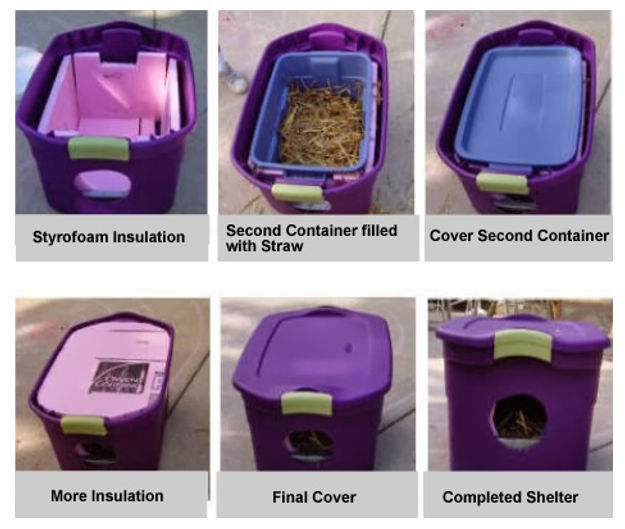
If your dog or cat spends time outdoors, be sure to provide shelter from the elements. Shelters should have solid walls, floor, and a roof to protect them from weather and drafts. Straw is a great insulator to help your pets to stay warm inside their shelter. Animal Care & Control offers free straw while supplies last to any Fort Wayne City resident needing animal bedding during the winter. When snow accumulations occur, be sure to clear an entrance/exit area to the shelter.
Image courtesy of Fort Wayne Animal Care and Control
Community Cat Providers are encouraged to build shelters to support and keep our community cats safe and warm. Instructions on how to build a shelter can be found on our website. Community cat spay/neuter surgery is not recommended in frigid temperatures and can be dangerous in some instances.
For more information and tips to keep your pets safe please visit fwacc.org.